
Skip to content

Puzzle Knowledge Center

How to Solve Calcudoku / Mathdoku

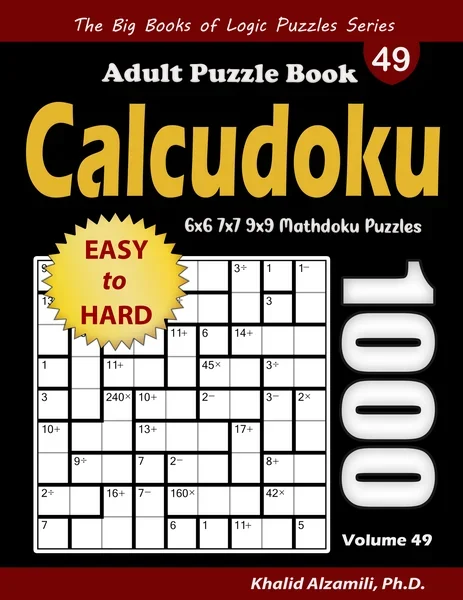
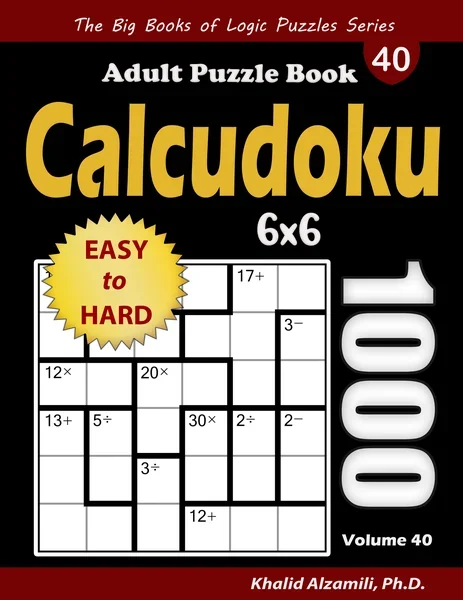
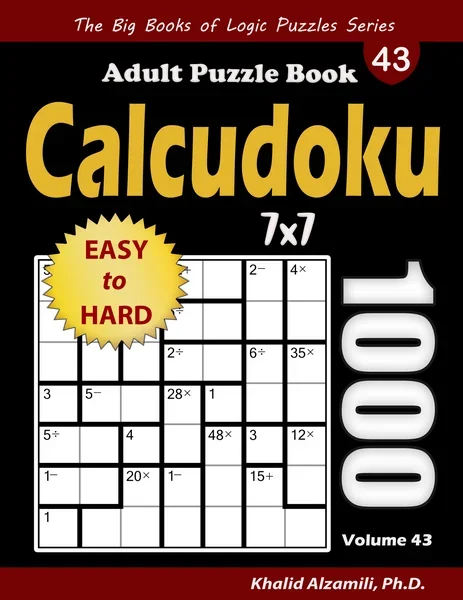
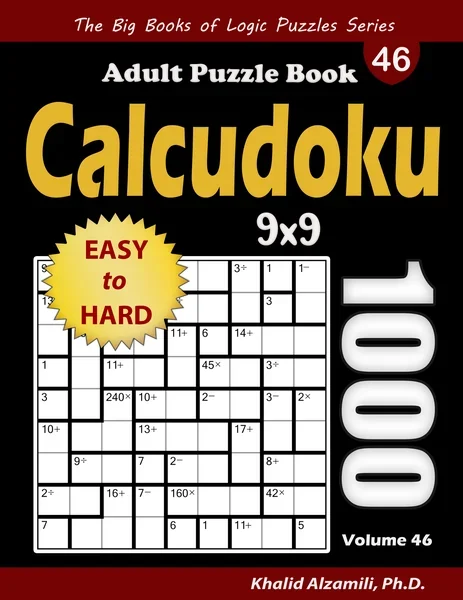
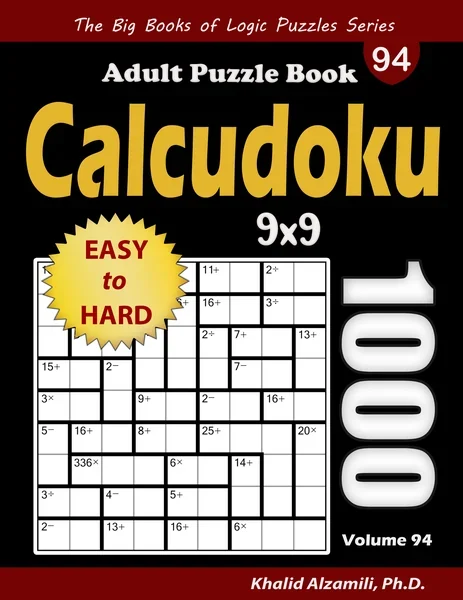
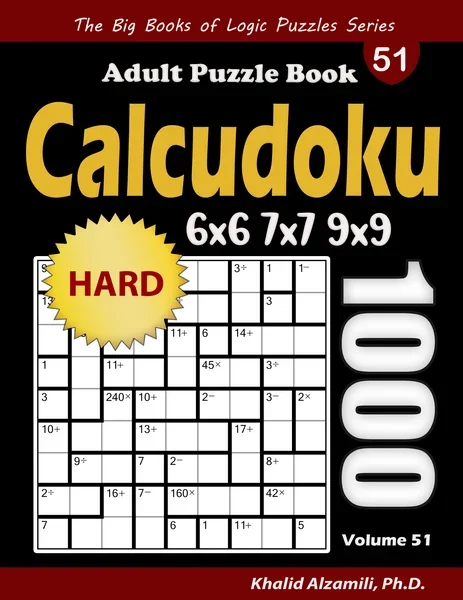
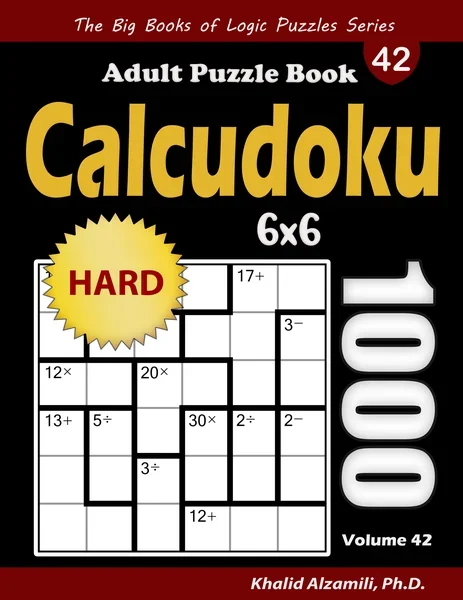
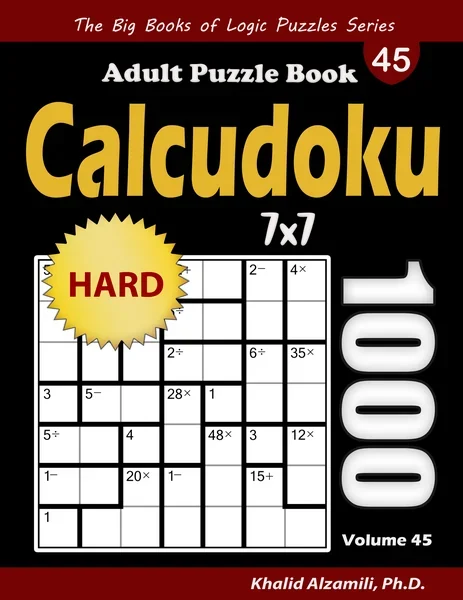
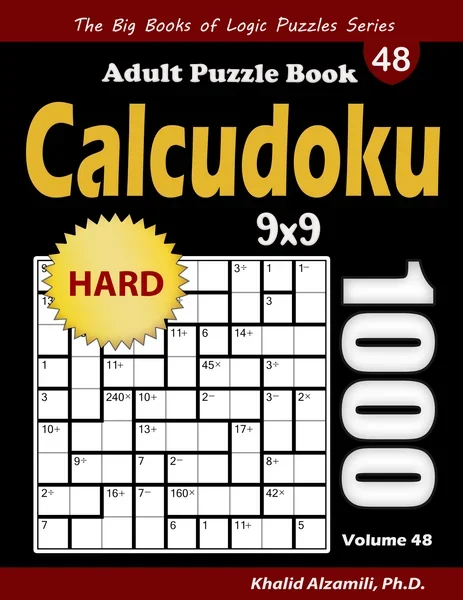
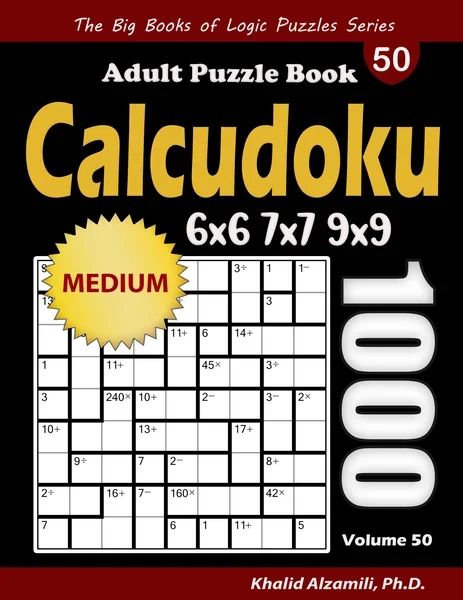
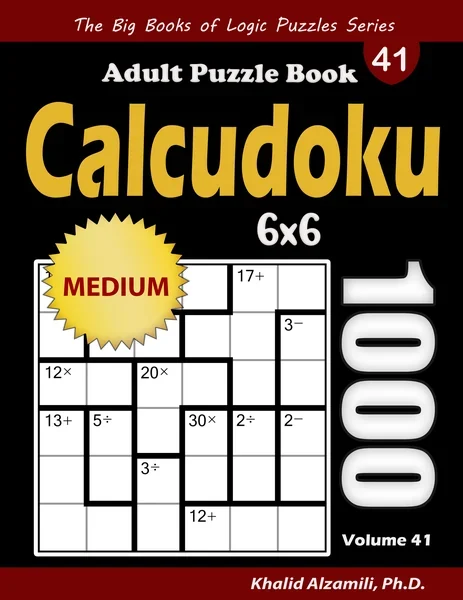
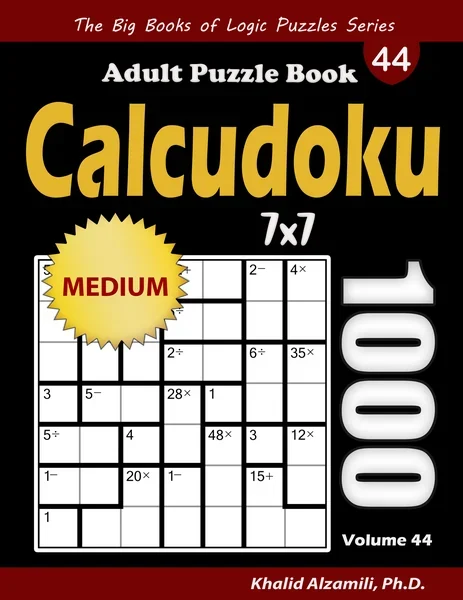
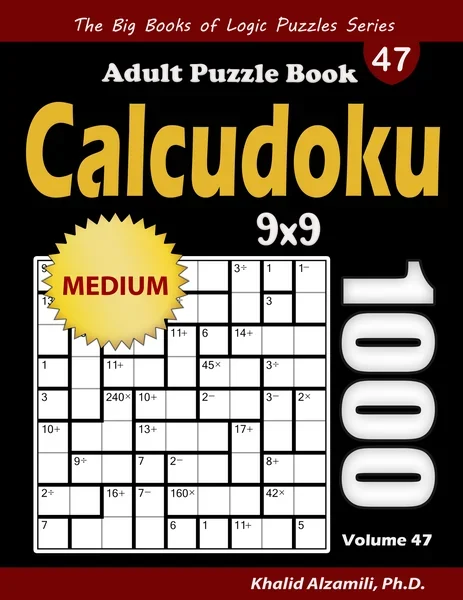
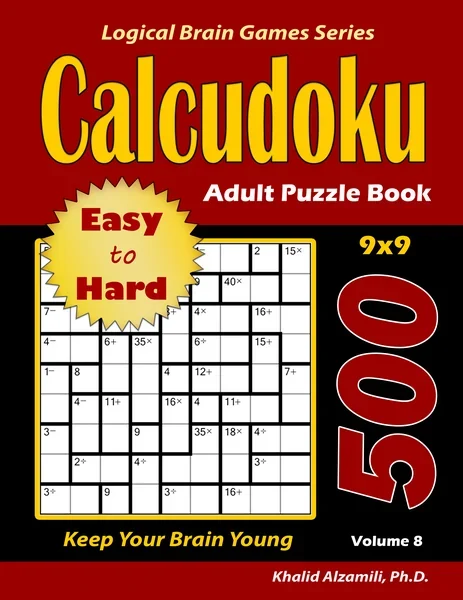
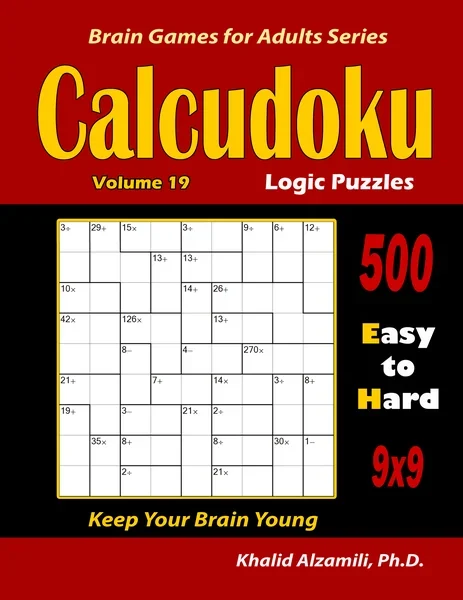
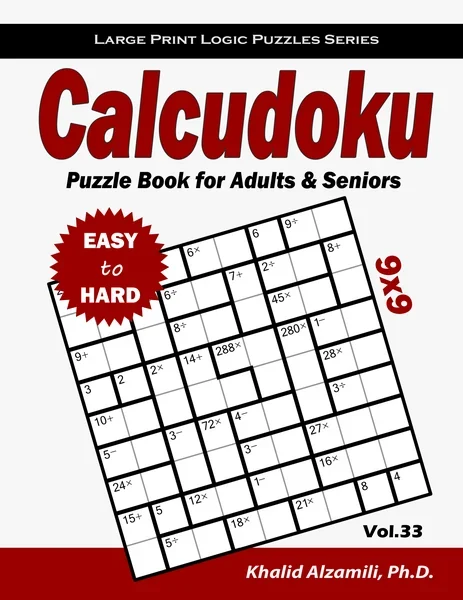
Calcudoku, also known as Mathdoku, combines a Latin-square grid with arithmetic cages.

What Is Calcudoku / Mathdoku?

Calcudoku, also known as Mathdoku, combines a Latin-square grid with arithmetic cages.

A reliable solution comes from combining Latin-square restrictions and arithmetic cages. Treat every mark as a deduction that must satisfy all local clues and the puzzle’s global structure.

Rules

  1. Use digits 1 through the grid size.
  2. Do not repeat a digit in any row or column.
  3. Numbers in each cage must produce its target with the shown operation.
  4. For subtraction and division cages, evaluate the permitted order stated by the puzzle.

Step-by-Step Solving Method

  1. List possible combinations for the most restrictive cages.
  2. Intersect cage combinations with row and column candidates.
  3. Use single-cell cages immediately.
  4. Recalculate cage possibilities whenever a candidate is removed.

Professional Strategies

  • Exploit extreme totals and products because they have few combinations.
  • Use Latin-square pairs and triples even when arithmetic does not decide the order.

Common Mistakes to Avoid

  • Repeating a number in a row because it fits a cage.
  • Confusing a cage combination with its cell order.
  • Using digits outside the grid size.

Grid Anatomy and Terminology

Cage
outlined cells sharing a target and operation.
Latin square
each permitted digit occurs once per row and column.
Combination
values capable of reaching a cage target.
Permutation
one possible ordering of a combination.

Beginner Techniques

  • List possible combinations for the most restrictive cages.
  • Intersect cage combinations with row and column candidates.
  • Use single-cell cages immediately.
  • Recalculate cage possibilities whenever a candidate is removed.

Intermediate Techniques

  • Exploit extreme totals and products because they have few combinations.
  • Use Latin-square pairs and triples even when arithmetic does not decide the order.
  • Recheck every affected clue after a placement and remove stale candidates immediately.

Advanced Strategies

  • Use factorization and divisibility to eliminate product-cage combinations.
  • Link restricted cage combinations to row and column pairs or triples.

Systematic Solving Workflow

  1. List possible combinations for the most restrictive cages.
  2. Intersect cage combinations with row and column candidates.
  3. Use single-cell cages immediately.
  4. Recalculate cage possibilities whenever a candidate is removed.
  5. Audit unresolved areas for the most restrictive remaining clue.
  6. Verify the completed puzzle against every rule rather than relying on appearance.

Accessibility and Practice

Use high-contrast boundaries, large clues, consistent candidate notation, and symbols that do not rely on color alone. Work in small sections while preserving awareness of global constraints.

Related Variations

  • KenKen-style editions use equivalent arithmetic-cage principles.
  • Operation-free cages may allow any operation stated by the publisher.

Frequently Asked Questions

What should I do first in Calcudoku / Mathdoku?

List possible combinations for the most restrictive cages.

Should I guess when I am stuck?

No. Recheck the most restrictive clues, candidate notes, and any global connectivity or uniqueness rule before considering a branch.

How should candidates be recorded?

Use a consistent notation and remove a candidate only when a stated rule proves it impossible.

What is the most common mistake?

Repeating a number in a row because it fits a cage.

How can I improve at Calcudoku / Mathdoku?

Practice one technique at a time, review incorrect deductions, and use the same systematic scan order on every puzzle.

How do I verify the final solution?

Check every clue, every completed unit or region, and every global rule independently.

Editorial Sources

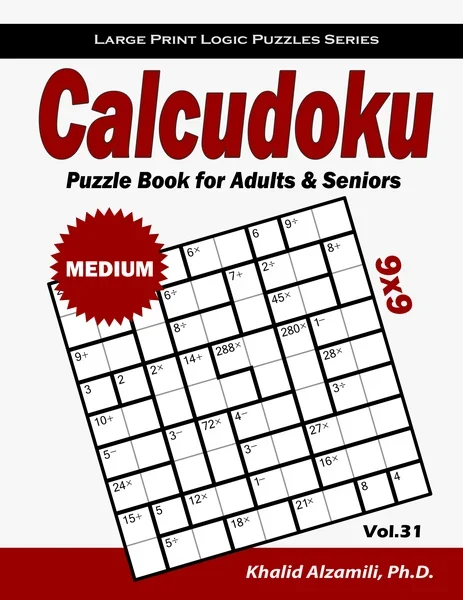
Calcudoku / Mathdoku Puzzle Books

Practice with 39 published Calcudoku / Mathdoku books.