Skip to content

Puzzle Knowledge Center

How to Solve Killer Sudoku

Killer Sudoku combines Sudoku placement rules with arithmetic cage totals.

What Is Killer Sudoku?

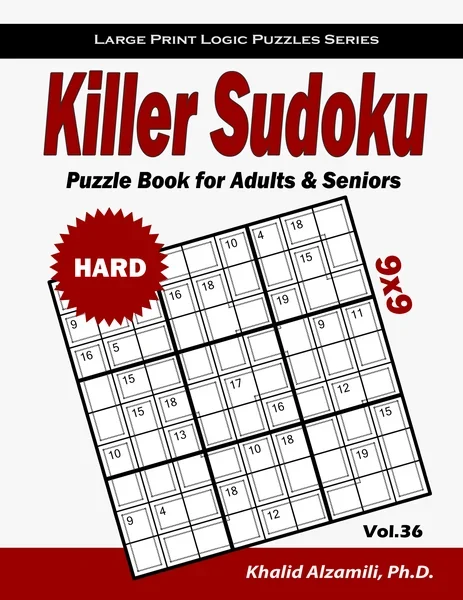
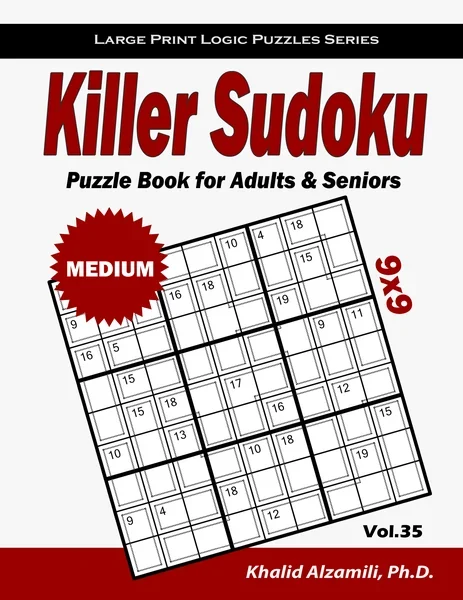
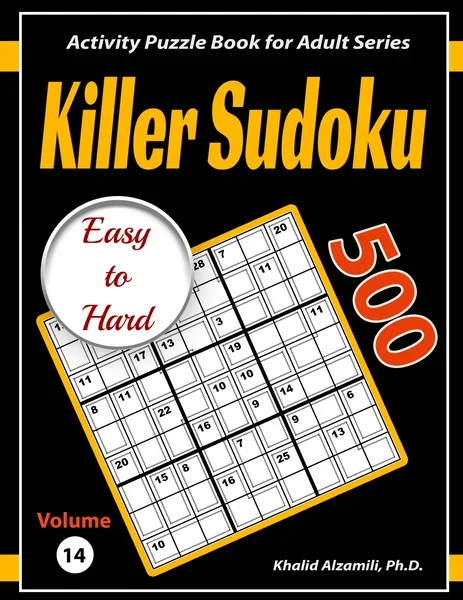
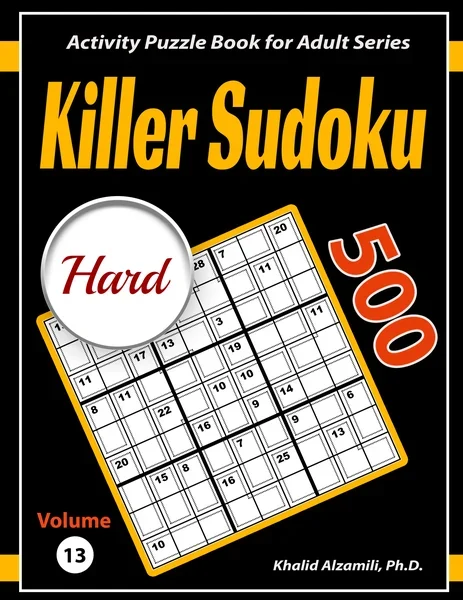
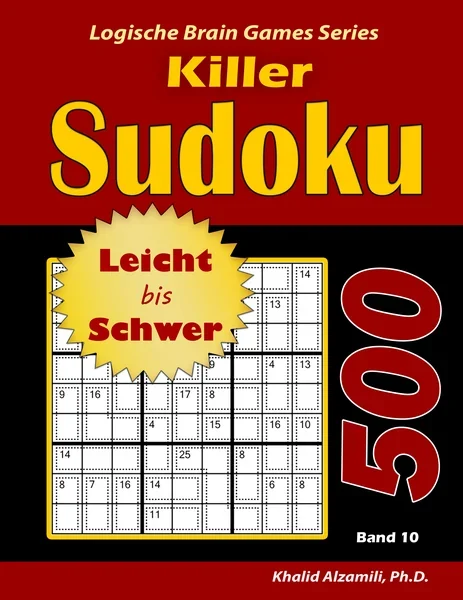
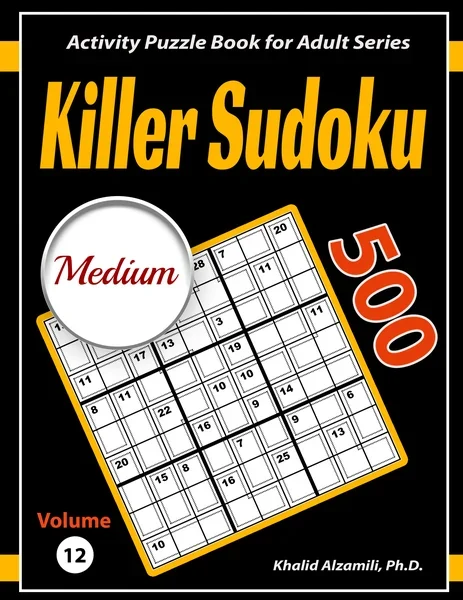
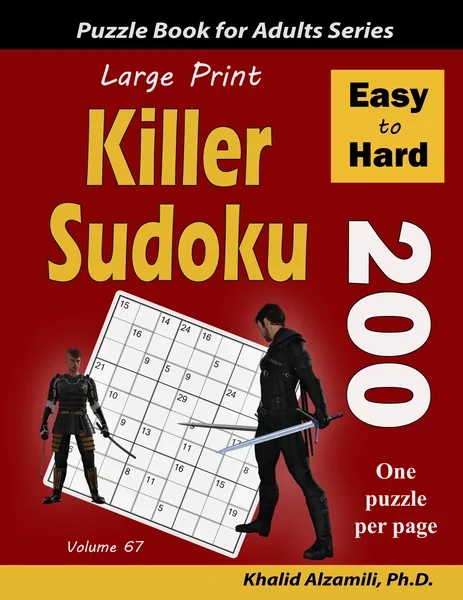
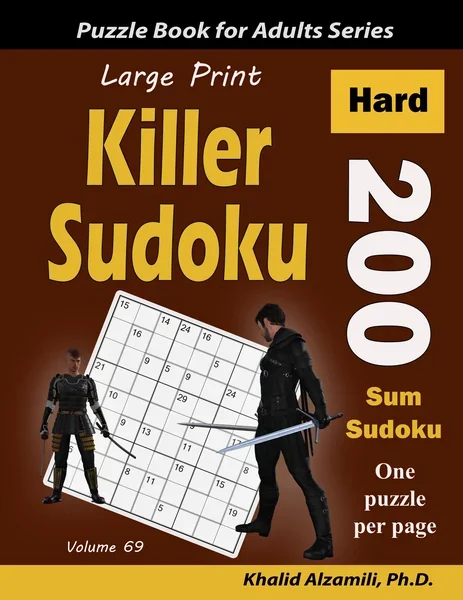
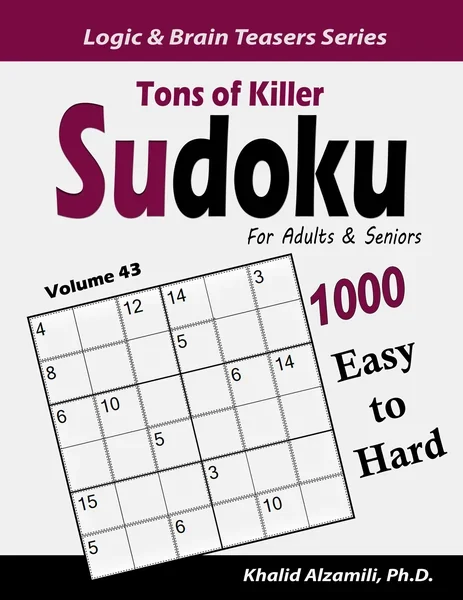
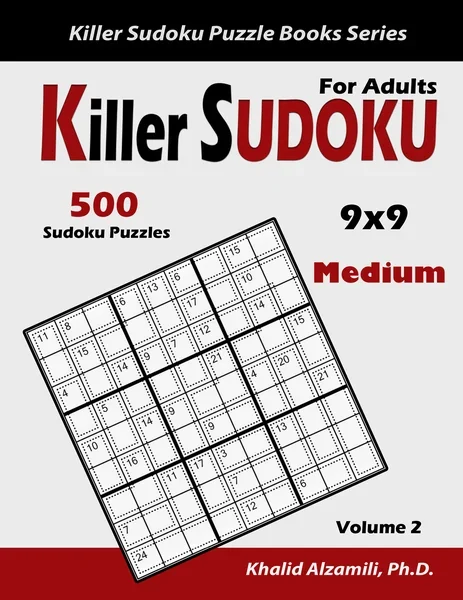
Killer Sudoku combines Classic Sudoku’s row, column, and box constraints with dashed arithmetic cages. Each cage has a target sum, and digits normally do not repeat inside a cage. The arithmetic narrows combinations; Sudoku logic determines where the surviving digits go.

Expert solving separates two questions: which digit set can satisfy this cage, and which cell can contain each digit? Confusing combinations with positions is a common source of errors. The most powerful deductions link cage totals to complete 45-sum units.

Rules

  1. Fill every empty cell with one digit.
  2. Each row and each column must contain every permitted digit exactly once.
  3. Each outlined region must also contain every permitted digit exactly once.
  4. Digits in a dashed cage must add to its clue, and a digit normally cannot repeat within a cage.

Step-by-Step Solving Method

  1. Scan rows, columns, and regions for a digit that has only one possible cell.
  2. Pencil in candidates when a placement is not immediate.
  3. Use singles, locked candidates, and pairs before moving to harder patterns.
  4. After every placement, rescan all affected units.

Professional Strategies

  • Track candidates consistently and remove them only when a rule proves they are impossible.
  • List feasible cage combinations first, then intersect them with row, column, and region candidates.
  • When stuck, switch from cell-based scanning to digit-based scanning across the whole grid.

Common Mistakes to Avoid

  • Guessing before exhausting logical deductions.
  • Checking rows but forgetting the special regions or variant constraint.
  • Leaving stale candidate marks after a placement.

Grid Anatomy and Terminology

Cage
cells enclosed by a dashed boundary.
Cage clue
the required sum, usually printed in the upper-left cell.
Combination
an unordered non-repeating digit set matching the sum.
45 rule
digits 1–9 total 45 in every complete row, column, or box.
Innies and outies
cage cells crossing the boundary of a 45-sum unit.

Beginner Techniques

  • Enter single-cell cages immediately.
  • Memorize extreme two-cell sums such as 3={1,2} and 17={8,9}.
  • List combinations without assigning order prematurely.
  • Intersect cage combinations with Sudoku candidates.

Intermediate Techniques

  • Use the 45 rule to calculate a missing cage or cell in a completed unit.
  • Apply innies and outies when cages cross a box, row, or column boundary.
  • Use cage complements: subtract known cells from the target.
  • Exploit restricted combinations as naked or hidden sets in Sudoku units.

Advanced Strategies

  • Combine several cages whose footprint covers one or more complete 45-sum units.
  • Use virtual cages: a set of cells whose total can be inferred even without a printed boundary.
  • Test combination compatibility across overlapping row, column, and box candidate sets.
  • Chain strong candidate links with cage-sum restrictions to resolve difficult placements.

Systematic Solving Workflow

  1. Mark trivial and extreme cages.
  2. Generate legal non-repeating combinations.
  3. Apply Sudoku row, column, and box exclusions.
  4. Search every complete unit for 45-rule opportunities.
  5. Inspect boundary-crossing cages for innies and outies.
  6. Recalculate cage sets after each placement.
  7. Verify all cage totals and all Sudoku units.

Accessibility and Practice

Cage borders must remain distinct from box borders. Large-print editions should enlarge cage clues and use different line styles, not color alone, to distinguish cages from 3×3 boxes.

Related Variations

  • Some variants permit repeated digits inside a cage when they do not share a Sudoku unit; standard Killer Sudoku usually forbids repetition within a cage, so check the legend.
  • Killer Jigsaw Sudoku replaces boxes with irregular regions.
  • Greater-Than Killer adds inequality constraints.

Frequently Asked Questions

What is the 45 rule?

Every full row, column, and 3×3 box contains digits 1–9, whose sum is 45.

Can digits repeat inside a cage?

Under the standard convention, no; variant instructions may explicitly differ.

Do I need advanced arithmetic?

No. Addition, subtraction, and careful combination lists are sufficient.

Why is a cage combination unordered?

The sum determines the digit set, while row, column, and box constraints determine positions.

What are innies and outies?

They are cage cells inside or outside a chosen 45-sum boundary, used to calculate an unknown remainder.

Should I write every combination?

Record combinations for restrictive cages; broad cages are often better reduced by Sudoku logic first.

Editorial Sources

Killer Sudoku Puzzle Books

Practice with 43 published Killer Sudoku books.