Skip to content

Puzzle Knowledge Center

How to Solve Numbrix

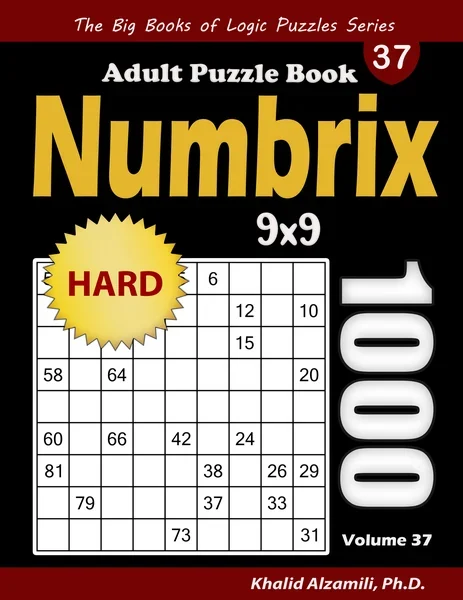
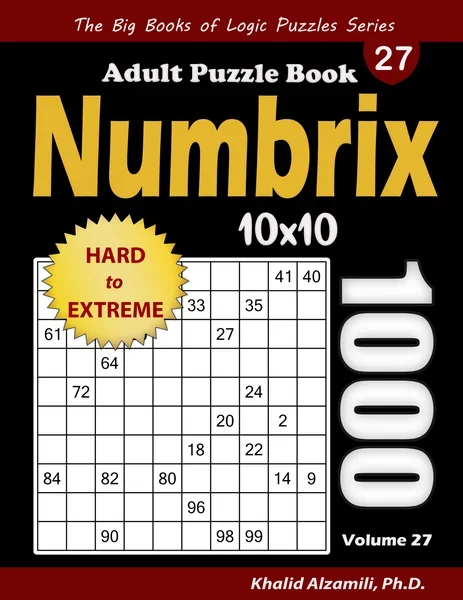
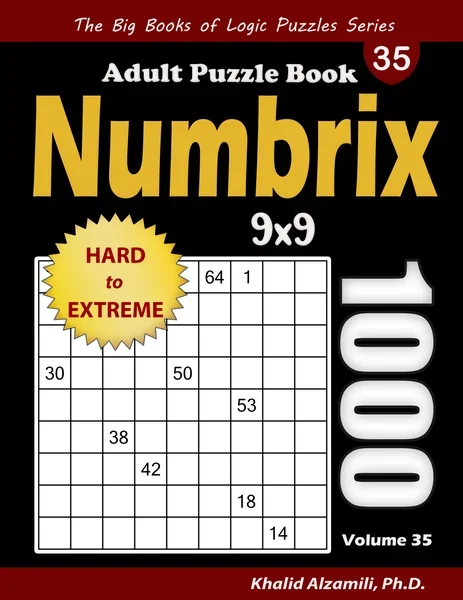
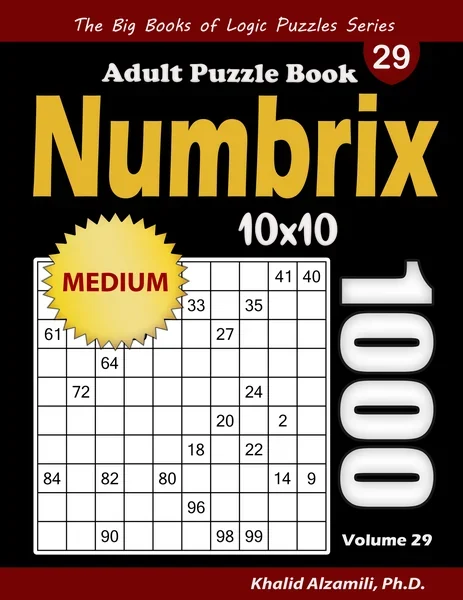
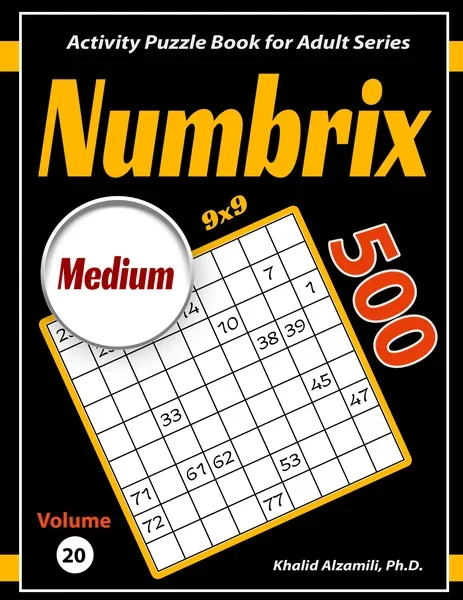
Numbrix asks you to complete one continuous numerical path through the grid.

What Is Numbrix?

Numbrix asks you to complete one continuous numerical path through the grid.

A reliable solution comes from combining continuous orthogonal number paths. Treat every mark as a deduction that must satisfy all local clues and the puzzle’s global structure.

Rules

  1. Place the missing consecutive numbers between the printed clues.
  2. Consecutive numbers must occupy orthogonally adjacent cells.
  3. Diagonal moves are not allowed.
  4. Every cell belongs to the single sequence.

Step-by-Step Solving Method

  1. Start with clue pairs separated by a small numerical gap.
  2. Compare the number of required steps with the available path distance.
  3. Mark forced entrances and exits around clues.
  4. Extend from both ends of a constrained interval.

Professional Strategies

  • Use parity and path-length checks to reject impossible routes.
  • Reserve narrow corridors before other paths block them.

Common Mistakes to Avoid

  • Connecting numbers diagonally.
  • Building a locally valid path that traps unused cells.
  • Ignoring whether a route has enough cells for its numerical gap.

Grid Anatomy and Terminology

Anchor
a printed number fixing one point in the path.
Interval
the missing sequence between two anchors.
Manhattan distance
the minimum orthogonal steps between two cells.
Corridor
a narrow route that restricts the path.

Beginner Techniques

  • Start with clue pairs separated by a small numerical gap.
  • Compare the number of required steps with the available path distance.
  • Mark forced entrances and exits around clues.
  • Extend from both ends of a constrained interval.

Intermediate Techniques

  • Use parity and path-length checks to reject impossible routes.
  • Reserve narrow corridors before other paths block them.
  • Recheck every affected clue after a placement and remove stale candidates immediately.

Advanced Strategies

  • Use distance parity to reject routes that cannot fit an interval.
  • Reserve bottleneck cells before an early path segment blocks them.

Systematic Solving Workflow

  1. Start with clue pairs separated by a small numerical gap.
  2. Compare the number of required steps with the available path distance.
  3. Mark forced entrances and exits around clues.
  4. Extend from both ends of a constrained interval.
  5. Audit unresolved areas for the most restrictive remaining clue.
  6. Verify the completed puzzle against every rule rather than relying on appearance.

Accessibility and Practice

Use high-contrast boundaries, large clues, consistent candidate notation, and symbols that do not rely on color alone. Work in small sections while preserving awareness of global constraints.

Related Variations

  • Hidato also uses consecutive paths but commonly permits diagonal movement.
  • Grid shapes may vary while the single-path rule remains unchanged.

Frequently Asked Questions

What should I do first in Numbrix?

Start with clue pairs separated by a small numerical gap.

Should I guess when I am stuck?

No. Recheck the most restrictive clues, candidate notes, and any global connectivity or uniqueness rule before considering a branch.

How should candidates be recorded?

Use a consistent notation and remove a candidate only when a stated rule proves it impossible.

What is the most common mistake?

Connecting numbers diagonally.

How can I improve at Numbrix?

Practice one technique at a time, review incorrect deductions, and use the same systematic scan order on every puzzle.

How do I verify the final solution?

Check every clue, every completed unit or region, and every global rule independently.

Editorial Sources

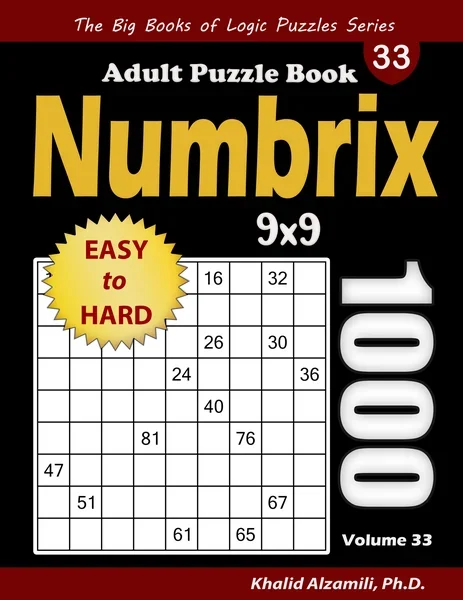
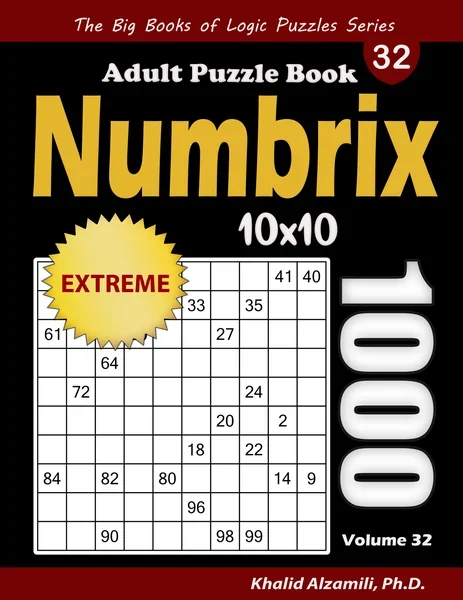
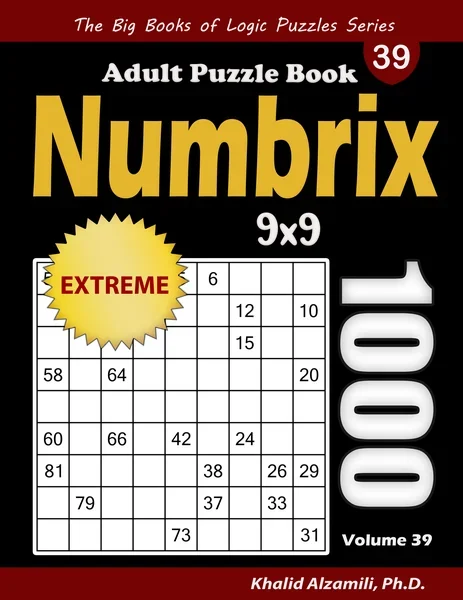
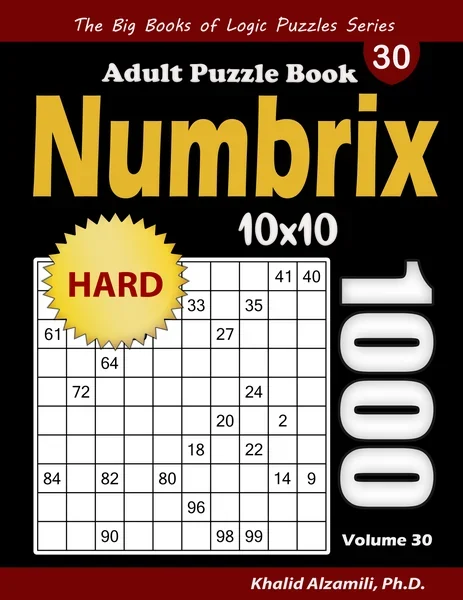
Numbrix Puzzle Books

Practice with 47 published Numbrix books.