

Jigsaw Sudoku
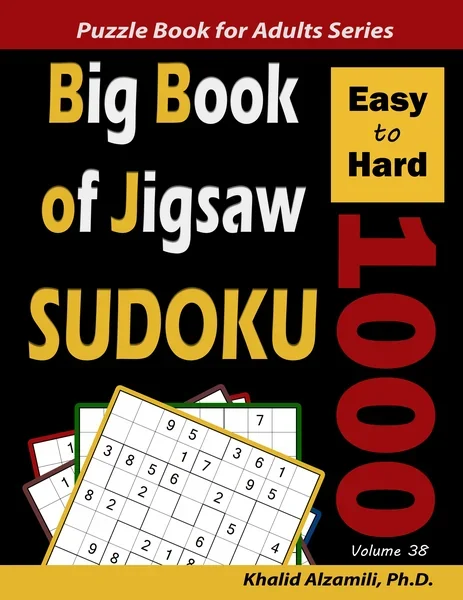
Big Book of Jigsaw Sudoku: 1000 Easy Puzzles
Jigsaw Sudoku
- Difficulty
- Easy
- Puzzle count
- 1,000 puzzles
Puzzle Knowledge Center
Jigsaw Sudoku replaces regular boxes with irregular regions while preserving the core logic.
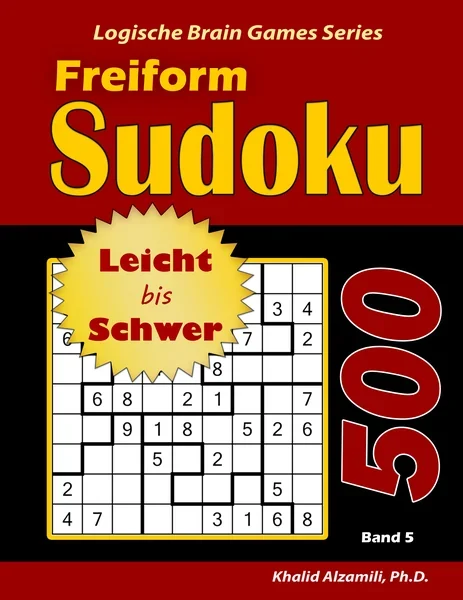
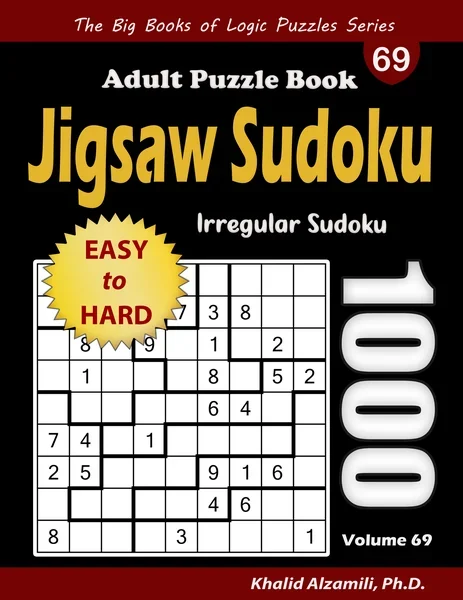
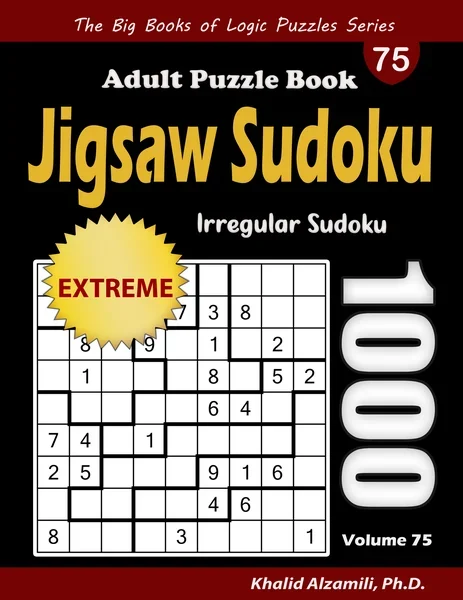
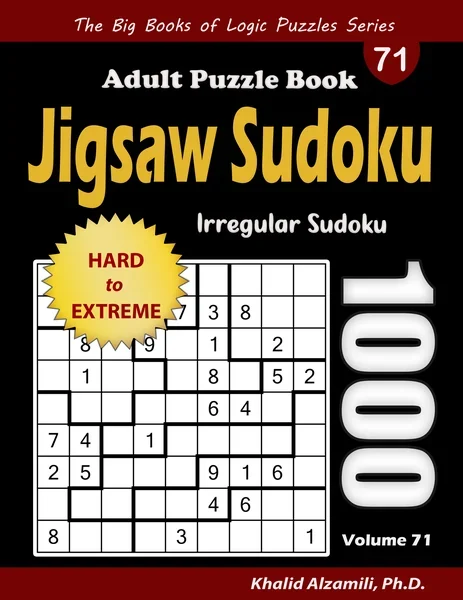
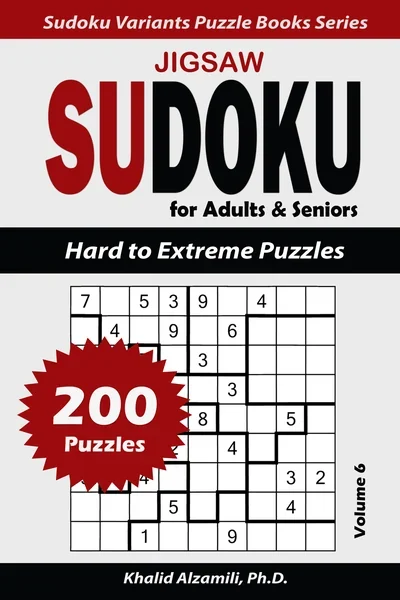
Jigsaw Sudoku, also called Irregular Sudoku, uses the same digits and row-column requirements as Classic Sudoku but replaces the nine rectangular 3×3 boxes with nine irregular nine-cell regions. Every region must contain digits 1–9 exactly once.
The irregular geometry changes how solvers see the grid. Straight visual scanning is less reliable, so professional play begins by tracing region borders carefully. The strongest deductions often occur where a region occupies only a few cells of a row or column.
Irregular boundaries should be substantially thicker than cell lines. Region tints may alternate, but a high-contrast outline is essential for color-blind and low-vision solvers.
No. The irregular nine-cell regions replace them completely.
Standard Jigsaw Sudoku uses connected regions, but always follow the printed outline.
Yes, with boxes replaced by irregular regions.
A winding region can make nonadjacent cells peers, so its full boundary must be traced.
Yes, but in a 9×9 puzzle each standard region still contains nine cells.
Start with regions that have many givens or very narrow intersections with rows and columns.
Practice with 46 published Jigsaw Sudoku books.
Jigsaw Sudoku
Jigsaw Sudoku

Jigsaw Sudoku
Jigsaw Sudoku
Jigsaw Sudoku
Jigsaw Sudoku

Jigsaw Sudoku

Jigsaw Sudoku
Jigsaw Sudoku

Jigsaw Sudoku
Jigsaw Sudoku
Jigsaw Sudoku

Jigsaw Sudoku
Jigsaw Sudoku
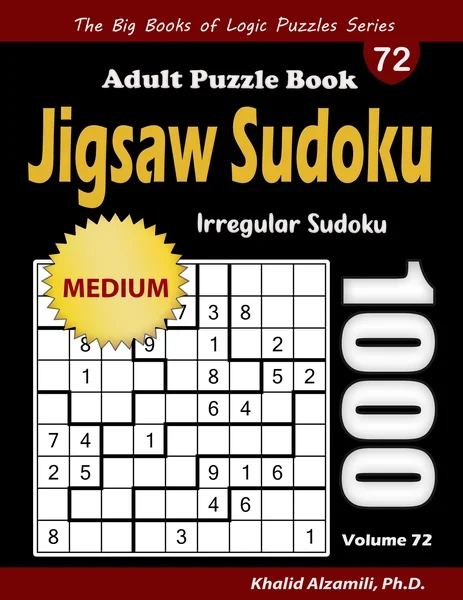
Jigsaw Sudoku
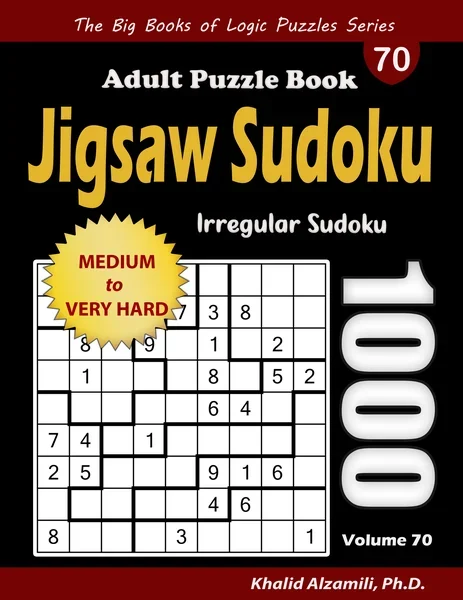
Jigsaw Sudoku
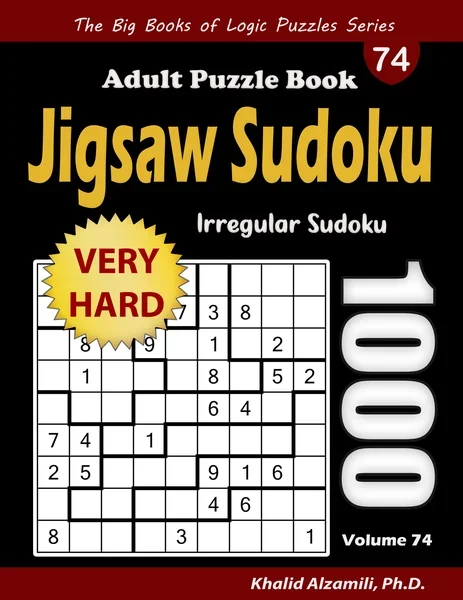
Jigsaw Sudoku
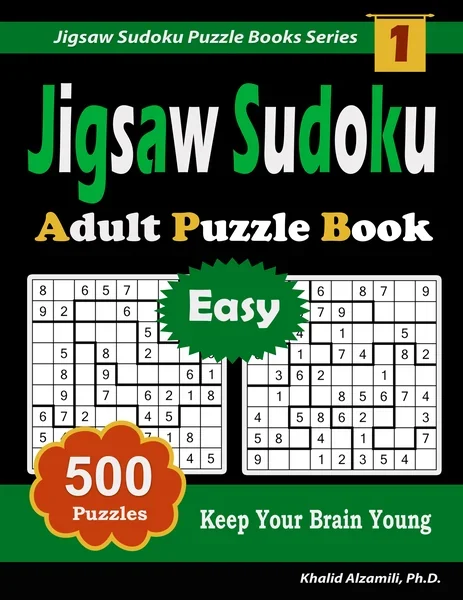
Jigsaw Sudoku
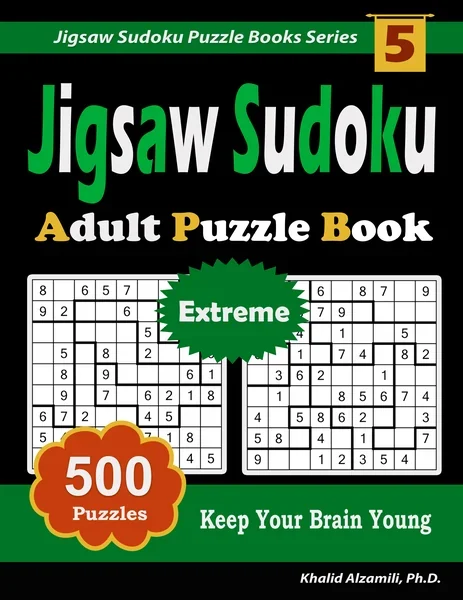
Jigsaw Sudoku
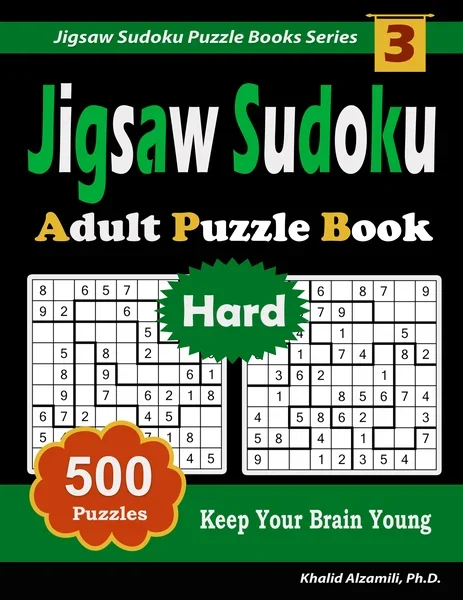
Jigsaw Sudoku
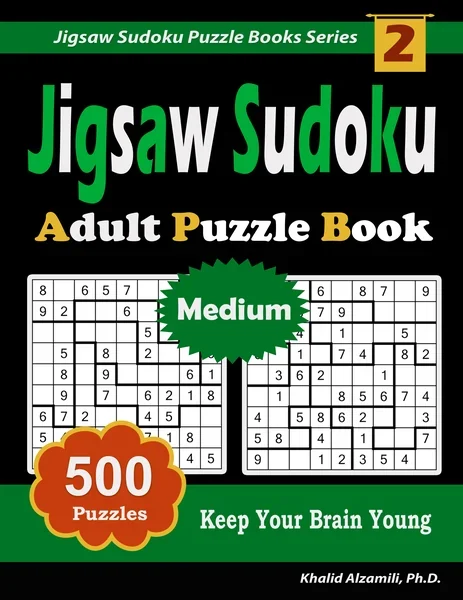
Jigsaw Sudoku

Jigsaw Sudoku
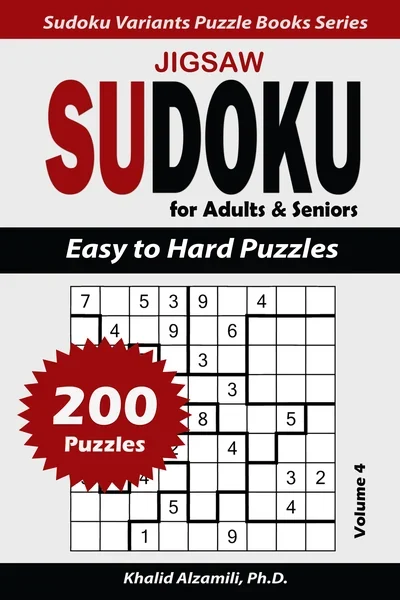
Jigsaw Sudoku
Jigsaw Sudoku